


Gypsum and Acoustic Ceilings in Nairobi Kenya
What is Gypsum Board?
Gypsum board, also known as GWB, wallboard, or drywall, is a common construction product used all over the world to finish the inside of walls and ceilings. It is typically finished with a variety of surface applied products, including wood, fabric, Paint and plaster. Gypsum board, also known as drywall, plasterboard or wallboard, is used to form panels made of gypsum plaster pressed between two thick sheets of paper. Gypsum board is used as partitions and linings of walls, ceilings, roofs and floors. It possesses many attributes that make it an attractive construction material.
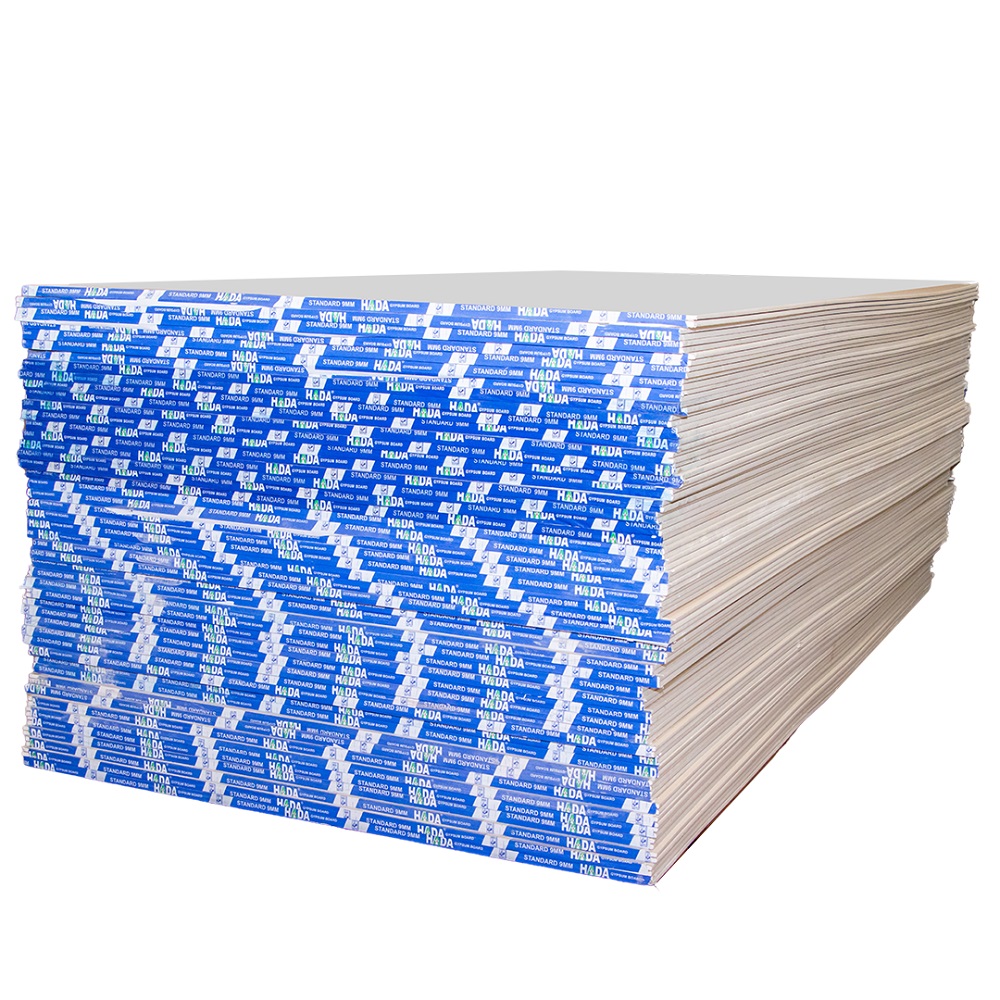
Gypsum board is the technical product name used by manufacturers for a specific board with a gypsum core and a paper facing and may be further described as follows:
Regular Gypsum Board – a gypsum board with naturally occurring fire resistance from the gypsum in the core; or
Type X Gypsum Board – a gypsum board with special core additives to increase the natural fire resistance of regular gypsum board.
It differs from other panel-type building products, such as plywood, hardboard, and fiberboard, because of its noncombustible core and paper facers. When joints and fastener heads are covered with a joint compound system, gypsum wall board creates a continuous surface suitable for most types of interior decoration.
Advantages of Gypsum Board Construction
· Gypsum is Easy to Install
Gypsum board building systems are easy to install for several reasons;
Gypsum board panels are relatively large compared to other materials. They come in 48- and 54-inch wide sheets and in lengths of 8, 10, or 12 feet, so they quickly cover large wall and ceiling areas.
Gypsum board assemblies require only a few tools for their construction. Gypsum board can be cut with either a utility knife or a variety of saws, and it can be attached with a variety of fasteners, including screws, nails, and staples.
It can also be adhesively attached to many substrates. Gypsum board is a lightweight material. Two workers can easily handle most panels and cover large areas in very short time periods.
Gypsum board is easily finished using either a few hand tools or relatively modest machines. Gypsum board installers can quickly learn most application techniques in a few hours.
· Fire resistance
Gypsum board is an excellent fire-resistive building material. It is the most commonly used interior finish where fire resistance classifications are required.
Its non-combustible core contains nearly 21% chemically combined water, as described earlier, which, under high heat, is slowly released as steam. Because steam will not exceed 212 degrees F under normal atmospheric pressure, it very effectively retards the transfer of heat and the spread of fire.
Even after complete calcination, when all the water has been released from its core, gypsum board continues to serve as a heat-insulating barrier. Moreover, tests conducted in accordance with ASTM E 84 show that gypsum board has a low flame-spread index and a low smoke-density index.
When installed in combination with other materials in laboratory-tested wall and ceiling assemblies, gypsum board serves to effectively protect building elements from fire for prescribed time periods.
· Gypsum is Sound proof
Preventing the transfer of unwanted sound to adjoining areas is a key consideration when designing a building, specifically when taking into account the intended activities of the occupants in the various parts of the building.
For example, a building containing office spaces adjacent to manufacturing facilities requires more noise-reducing features than are typically necessary in a building that has only office space in it.
Gypsum board wall and ceilings systems effectively help control sound transmission. Some construction techniques and gypsum board building systems that are successfully used for sound isolation and control.
· Gypsum is Quite Durable
Gypsum board is used to construct strong, high quality walls and ceilings that offer excellent dimensional stability and durability. Surfaces created using gypsum board are easily decorated and refinished.
· Gypsum is Economical
Gypsum board is readily available and easy to apply. It is an inexpensive wall surfacing material that provides a fire-resistant interior finish. Gypsum board building systems can generally be installed at significantly lower labor costs than most alternate systems.
· Gypsum is Versatile
Gypsum board satisfies a wide range of architectural requirements for design. Ease of application, performance, ease of repair, availability, and its adaptability to all forms of decoration combine to make gypsum board unmatched by any other surfacing product.
TYPES OF FALSE CEILINGS AND DESIGNS
There are numerous types of false ceiling used in home interiors. False ceilings can be differentiated in several ways according to their applications, materials utilized, appearance, and visibility. However, the most common classification is based on the materials used. Here are the 8 major types of false ceilings widely used.
01. Plaster of Paris (POP) False Ceilings
02. Wooden False Ceilings or Plywood False Ceilings
03. Gypsum False Ceilings
04. Metal False Ceilings
05. PVC False Ceilings
06. Fabric or Cloth False Ceilings
07. Mineral Fibre False Ceilings
08. Glass False Ceilings
01. Plaster of Paris (POP) False Ceilings
Plaster of Paris (POP) is the most commonly used false ceiling. Gypsum when heated softens, releases water, and forms POP! When water is added, POP hardens instantly. It is applied on fiberboard or a wood base, which is then suspended from the ceiling to form the false ceiling. The POP false ceiling looks attractive and has a long lifespan. They are excellent thermal insulators. This kind of drop ceilings not only hides the hideous members of construction like the ventilation ducts and conduits but also gives a smooth finish to the ceiling.
Pros of POP False Ceilings:
It gives a smooth, uniform finish. It is mouldable into any shape as per the design.
The surface can be painted depending on your interiors.
They are lightweight and durable.
It is ideal for homes that require an indirect form of artificial light.
Cons of POP False Ceilings:
The process of mixing the content of POP on-site is messy and tedious. Naturally, a lot of cleaning is needed after installing this type of suspended ceilings.
A lot of POP mixture is wasted during the application process.
The POP false ceiling has a higher risk of cracking in comparison to others.

02. Wooden False Ceilings or Plywood False Ceilings
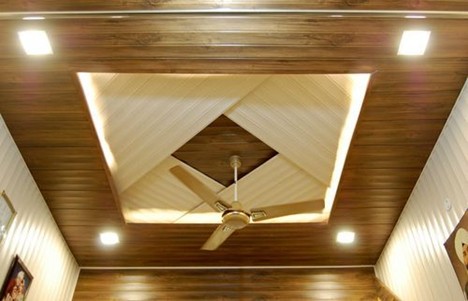
Some homeowners fancy natural and country-side beauty and serenity in their home interiors. The best way to achieve this rustic look is by using wooden beams on the ceilings. These wooden panels can be used to create several patterns that render a modern and attractive appeal to the ceiling. Wooden false ceilings also make a fine focal point for a room.
Owing to their natural textures and design, wooden false ceilings are being increasingly preferred by modern homeowners. These ceilings are also given different finishes to make them look more attractive.
Wooden false ceilings can be made either with hollow wooden blocks, wooden panels, wooden boards, or plywood. The wooden blocks can be easily installed using nails and screws. They are generally used in regions with cold weather conditions.
Pros of Wooden False Ceilings:
They are strong and attractive.
They can be given various finishes or painted to get the desired look.
They can be easily treated to increase their lifespan.
Cons of Wooden False Ceilings:
Wooden ceilings are difficult to maintain as they are prone to termite attacks.
The room has to be thermally controlled to reduce the humidity in the air.
Wood is also prone to warping and other physical changes that happen over time.
Wooden false ceiling is costly; hence, one needs to consider the total false ceiling cost before going ahead. Wooden ceilings are less desirable for malls, hospitals, or large areas. However, they can be effectively installed in residential buildings and offices.

03. Gypsum False Ceilings
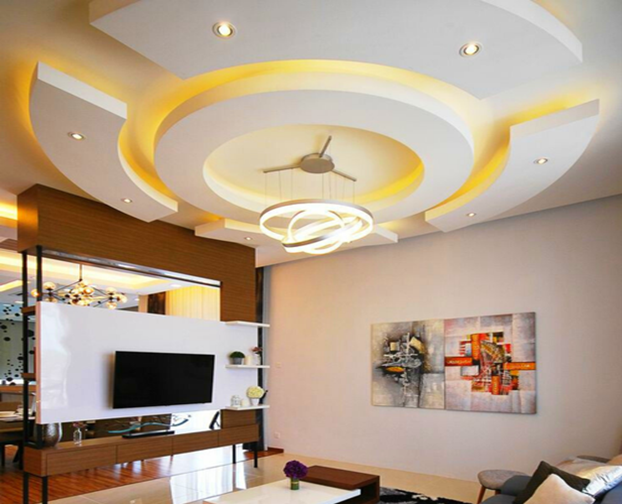
A gypsum false ceiling is made using gypsum boards, sheets, or ceiling tiles. Gypsum boards are larger than ceiling tiles. Gypsum false ceilings are tough, versatile, and economical. It is a sterile sulphate of calcium, light-weighted, and easy to install. Since gypsum is fire-resistant and soundproof, it is a preferred material for drop ceiling.
Generally, gypsum ceiling tiles are available in 600 mm × 600 mm. They are placed in the form of square planks with the support of the metal frame. The finishing of gypsum board ceilings can be done on the boards with paints, laminates, or wallpapers, thereby enhancing the appearance of the home interiors.
Pros of Gypsum False Ceilings:
Gypsum board is quite flexible. It allows various shapes & designs such as plain, stepped, curved, coffered, pelmet, drop design, etc.
Glass fibre-reinforced gypsum board makes excellent insulation material.
When exposed to fire, gypsum gives out water, which is converted to steam & helps to combat the fire. This makes the ceiling fireproof.
Cons of Gypsum False Ceilings:
It cannot be used in rooms with damp conditions like the bathroom or laundry room.
It cannot be moulded like POP ceilings.
Recycling gypsum false ceiling is tough. Hence, it mostly ends up in landfills.
04. Metal False Ceilings
Metal is a durable home-decor material. Its lustre adds beauty and a sophisticated appeal to the interiors. Metal false ceilings are available in a form of ceiling tiles, planks, and panels. The most common metals used for drop ceilings are galvanized iron and aluminum.
Metal ceiling tiles of different sizes and thickness are available for the purpose of creating an internal false ceiling. The metal ceiling tiles or panels can be laid on a visible steel grid with T-sections or cross-sections that are suspended from the ceiling using rods. This makes metal ceilings an ideal choice when considering false ceiling designs for living room and other high-traffic areas.
Fixing and installation of the metal sheets is quite easy and consumes minimum labour. The hidden members of the structure are easily accessed as the metal ceiling tiles or panels can be easily removed and reattached. The construction cost is minimal as the installation, fixing, and maintenance of metal false ceilings is low.
Pros of Metal False Ceilings:
They are ideal for workspaces which require clean environments and maintenance, such as the machinery rooms or Air Handling Units.
Fire resistance is a huge advantage of metal false ceilings. This makes it ideal for homes and offices where fire safety is a concern.
They do not crack or warp with time and retain their shape. So, peeling is unheard of. Metal ceilings need almost zero maintenance and repair.
Cons of Metal False Ceilings:
Metal tiles do not have many cons, except for the cost of genuine metal materials. The investment can be substantial plus the cost of a protective coating to prevent corrosion over a time!

05. PVC False Ceilings
PVC ceilings are lightweight, moisture-resistant, and a perfect solution to prevent the dripping of water from the ceiling.
PVC ceiling tiles solve the problem of dirty and unhygienic ceilings as they are easy to clean and maintain. It is one of the few types of false ceiling that are easy to install, lightweight, waterproof, termite-proof, and need very little maintenance. Being non-porous and non-absorbent, they can incorporate flush-fitting ceiling lights, other types of lighting, access hatches, air vents, and sprinklers with ease. They are available in various colors and can be painted and polished too.
Pros of PVC False Ceilings:
PVC ceilings are inexpensive to make and install.
They are mass-produced and available through a wide variety of distributors. You can get almost any color you desire.
PVC false ceilings are durable and sturdy. They last for a very long time and need very little maintenance.
Cons of PVC False Ceilings:
Though the chlorine in PVC makes these ceilings fire-resistant and durable, it is a dangerous and toxic gas in its natural state and a well-known carcinogen. Hence, excessive exposure to PVC can cause serious health issues.
PVC is less attractive compared to other false ceiling materials.
06. Fabric or Cloth False Ceilings
Fabric is economical and can be draped across the ceilings for temporary purposes in places such as churches, yoga rooms, restaurants, ballrooms, and function halls. They are not highly recommended as they collect dust over a period of time. The light diffused through fabrics provides a comfortable intensity and renders a warm mood to the room. This kind of false ceiling is not as functional as others but definitely elevates the look of a room.
Pros of Fabric False Ceilings:
Installation is quick, easy, and does not require a highly skilled professional.
Very few types of false ceilings can match the aesthetic value added by high-quality fabric.
Cons of Fabric False Ceilings:
Cloth accumulates dust and stains easily. It also absorbs odours.
It cannot be used as a permanent home decor feature.

07. Mineral Fibre False Ceilings
Mineral fibre ceiling tiles are developed by natural or synthetic minerals. This type of drop ceiling uses mineral tiles that are ceramics, reinforced with natural stone, wood, vegetable fibre, bitumen, and tars. These elements increase the insulation capacity of the product. Therefore, they are perfect for areas where heat and sound insulation are needed. Mineral fibre ceiling tiles are available in a variety of sizes, shapes, and patterns. They are economical and quick to install!
Pros of Mineral Fiber False Ceilings:
They have high insulation against sound and fire.
The fibre element in these tiles increases the hardness and toughness of the material.
Cons of Mineral Fiber False Ceilings:
Cannot be used for residential areas as they are appealing for home interior.
They are highly susceptible to water damage.

08. Glass False Ceilings
Glass is a non-crystalline, brittle, and transparent material. Because of its transparency, it makes a living or working space look bigger and grand. Therefore, it can be used for the false ceiling of places such as restaurants and libraries. Glass is a good heat insulator too.
Glass can be made non-brittle and opaque using certain admixtures or processes. This not only makes glass false ceilings safe but also tackles the issue of lack of privacy.
Pros of Glass False Ceilings:
It allows the eyes to travel and explore the space without obstruction.
Glass can be colored, patterned, or laminated to create an interesting focal point for a room.
Cons of Glass False Ceilings:
The glass ceiling panels need to be handled with care during the installation process.
Glass is one of the most expensive false ceiling materials available.
Dust and dirt easily show on glass. Hence, it needs to be cleaned on a regular basis.
Its fixing requires special skills and specific fixtures.

In a nutshell, false ceiling increases the aesthetic appeal of the home interiors, hides all the ugly elements and fixtures, and imparts a smooth finish to the ceiling. No wonder, most malls, hospitals, theatres, offices, and residential buildings are employing innovative false ceiling materials to improve the attractive appeal of their spaces. Many homeowners and businesses are using two or more types of false ceiling materials too. For instance, the combination of wood and POP is quite common these days. Consider Eye Precise Interiors
Gypsum Ceiling Materials – Eye Precise Interiors.
Paints;
Proper products and techniques for painting gypsum board must be used to attain a quality level of finish on interior surfaces. A variety of factors in the painting process affect the creation of a pleasing finish via a Computerized color system whereby over 2000 color shades are presently available in various popular interior and exterior finishes. Recommendations of paint manufacturers vary greatly; therefore, specific recommendations of the manufacturer of the paint or other coating material should be followed.

Gypsum Boards;
The Gyproc plasterboard product range provides solutions for enhanced moisture, fire, acoustic, impact and thermal performance for residential and commercial facilities. Gypsum Boards with enhanced performance have been highlighted with key symbols.
Types of Gypsum Boards
Gyproc Gypsum Board 9mm
The regular Gyproc gypsum board is a premium high-quality multi-use, basic board which offers a smooth finished surface. It is suitable for most interior spaces such as the living room, bedrooms, hallways, family rooms, dining, commercial offices, hotels and many more. It can be used for large or small jobs and has a strong paper cover ready for you to skim and or paint. This is a popular choice for home owners, interior designers, architects and professionals.
Application
Suitable for most system applications where normal fire, structural and acoustic levels are specified.
Can be finished using Gyproc Fibre Tape or Gyproc Paper Tape and Gyproc Jointing Compound. Suitable for direct decoration.
Gyproc Moisture Resistant 9mm and 12mm
Gyproc Gypsum board with moisture resistant additives in the core and special green lining paper for easy recognition. Recommended for use in intermittent moisture applications where additional performance is required such as in kitchen and bathroom walls and ceiling installations. It is also suitable for use in external soffits that are in sheltered positions
Application
Suitable as a base for tiling wet use areas, such as bathrooms and kitchens. Also used for external soffits in sheltered positions.
Can be finished using Gyproc Fibre Tape or Gyproc Paper Tape and Gyproc Jointing Compound.
Suitable for drylining internal surfaces, direct decorations such as bathrooms and kitchens. Perfect base for ceramic tiling in wet use areas.
Gyproc Fire Resistant Gypsum Board 12.5mm
Gypsum plasterboard with fire and moisture resistant additives. Gyproc Firestop gypsum board with water repellent additives in the core. A Gyproc Firestop gypsum board with the added fire resistance performance of up to 3 hours enabling the board to be used in circumstances where both additional fire performance are required, such as in integral garages and sheltered areas of soffit and steel encasement.
Application
Used in partitions, wall linings, shaft walls and ceiling systems to give increased fire protection. Also used for protection to structural steel.
Can be finished using Gyproc Fibre Tape or Gyproc Paper Tape and Gyproc Jointing Compound. Suitable for direct decoration.
Gyproc Gypsum Filler;
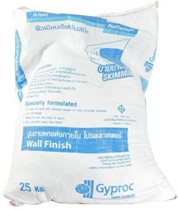
Gyproc filler 25kg is a gypsum-based plaster highly recommended for plastering of gypsum ceilings, drywall partitions and concrete walls. When applied by a professional, Gyproc filler dries quickly, makes sanding easy and smooth. Gyproc filler is gypsum-based setting material for bulk and secondary filling of plasterboard joints. A low shrinkage product for hand application, with 60 minutes working time. It can be used in stages 1 and 2 of the traditional 3-stage jointing process.
Gyproc filler produce a smooth, continuous, crack-resistant lining surface ready for priming and final decoration. A number of jointing specifications are available to suit the board type, site preference and method of application. When taping and jointing, Gyproc Joint Filler is suitable for application of the taping coat only. It sets to a hard finish and is ideal for use on plasterboard joints under Gyproc Finish Plasters
Joint filling is an important process in many structures such as Buildings, Masonry Walls. A joint filler for use in joints between structural elements comprising at least one layer of a substantially non-compressible, moisture blocking material; at least two layers of a compressible and resilient, moisture blocking material, each layer being in surface to surface contact with a layer of non-compressible material. The layers of material are combined to form a strip of interleaved compressible and non-compressible layers, and in an uncompressed state thicker than a joint.
Gypsum Channels/studs GCS;
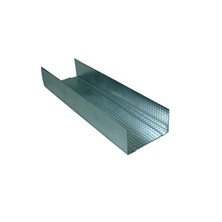
Gypsteel ULTRA® metal components and accessories come with the assurance of quality from Gyproc. Gypsteel ULTRA® is manufactured through a cold rolled pre-forming process that locally work-hardens the base material, and provides great strength to the gypsum ceiling and drywall partitions. Gypsum Channels – Gypsteel ULTRA® is made of special high-performance steel that undergoes stringent quality checks and controls to ensure correct and consistent base material for further profiling. The steel comes in rolled coils to maintain the proper thickness throughout its length. Quality checks ensure correct selection of material for strength and corrosion resistance. The steel sheet is work-hardened by passing it through a teethed roller with a patented design from Hadley which gives a typical unique knurling pattern on the surface. This knurling pattern is a key identifier of genuine Gypsteel ULTRA® from Gyproc.
Gypsum Drywall Fibre Tape;
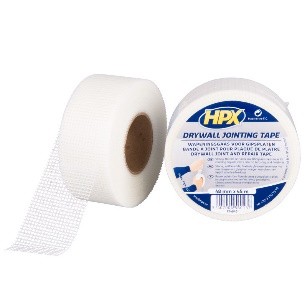
Self-adhesive fibre tape. Eliminates blisters and bubbles. Can be effectively used for quick jointing of gypsum boards. This tape is used to repair broken boards, and used on calcium silicate boards, gypsum boards and fibre cement boards. Fibre tapes saves time, labour and jointing compound and provides a very strong reinforcement.
Gypsum Drywall Screws;
Screws are named for the material they’re intended for. So, a drywall screw would be used for drywall, while a wood screw would be used for wood. While drywall screws are typically made of steel, wood screws are a combination of materials including steel.

Sand Paper Roll;
Sandpaper is produced in a range of grit sizes and is used to remove material from surfaces, either to make them smoother (for example, in painting and wood finishing), to remove a layer of material (such as old paint), or sometimes to make the surface rougher (for example, as a preparation for gluing). Sandpaper and glass paper are names used for a type of coated abrasive that consists of sheets of paper or cloth with abrasive material glued to one face. Despite the use of the names neither sand nor glass are now used in the manufacture of these products as they have been replaced by other abrasives such as aluminum oxide or silicon carbide. It is common to use the name of the abrasive when describing the paper, e.g. “aluminum oxide paper”, or “silicon carbide paper”.

Self-Drilling Screws;
Self-tapping and self-drilling screws are two types of screws used in metal building and general construction, as well as many other applications and industries. Contrary to popular belief, the two terms are not interchangeable. Often, our customers ask for self-tapping screws when they actually want self-drilling screws, or vice versa. Let’s go over the similarities, differences, and how to know when to use which type of screw.
Self-Tapping Screws
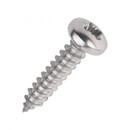
As the name suggests, self-tapping screws are screws that have the ability to tap threads into the material. Self-tapping screws are used for all sorts of material including wood, metal, and brick. These screws cannot drill through metal and require a pilot hole to be pre-drilled before installation. A pilot hole is created by using a drill bit which is slightly smaller than the screw and the threads of the screw tap the metal or wood while the screw is being installed. This tapping action keeps the material fastened together. There are many different types of points that a self-tapping screw can have that assist in the tapping of threads into various substrates.
Self-Drilling Screws
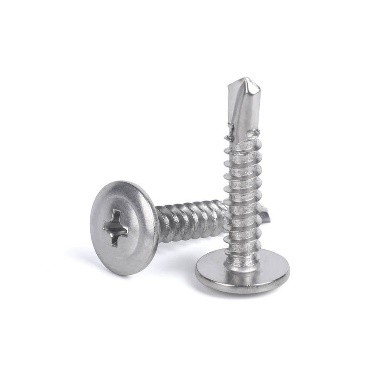
Self-drilling screws are sometimes known by the brand name, Tek® Screws. These screws can be identified by the drill bit shaped point of the screw and are designed for a variety of applications such as fastening metal to metal and metal to wood. Self-drilling screws do not require a pilot hole, which accelerates installation time and lowers the cost and need of additional drill bits. This extra functionality and cost saving feature make self-drilling screws the clear choice for metal building construction. The drill points are numbers #1 through #5 and the amount of steel they can drill through increases as the numbered point increases. Typically, self-drilling screws are used in light gauge applications but a #5 drill point can drill through and fasten up 1/2″ of steel. During installation, self-drilling screws will also tap threads to a degree.
Gypsum Cornices;
Cornice trim is a decorative mold commonly fitted along the edge of a ceiling and a wall. It can also be used in multi-level gypsum ceiling designs. For many years it has been used in high end homes across the World especially for residential construction. It is fitted using cove adhesive spread along the full length of the cove top and bottom. Cornice is made from a gypsum plaster core encased in a white paper lining and is a great way to enhance the appearance of any room. Cornices can also be used to conceal any surface cracks or settlement cracks where wall and ceiling joints meet. Cornice has the same function but is usually more decorative and detailed Gypsum cornices have excellent insulation properties both thermal and acoustic and can offer very good passive fire protection, moisture resistance, impact resistance and vapor control when used in combination with the right systems.
In Kenya, there are two different types of cornices used on gypsum or concrete ceilings
Gypsum Cornice
Fiber Polyurethane PU Cornice
Gypsum Cornice
Molding: High quality, clear patterns, smooth level
Materials: 100% asbestos FREE and 100% pure gypsum powder with fiber glass.
Fire Resistance: It has passed the tests by Kenya Bureau of Standards KEBS and Testing of Fire Building Materials GB8624-2006 with a result of A1-grade standard.
Sound Absorbance: Sound absorbent is 48 db. It is able to lower noise inside.
Moisture Resistance: It can be very good control indoor air humidity adjust the indoor humidity and increase comfort.
Mould Resistance: No mould and no discoloring
Excellent in Appearance: It can be combined with many fashion designs, making good atmosphere, natural, harmonious, luxury, or high artistic effect.
Application: Office building, hotel, high-end residential villas, conference hall, clubs, leisure clubs, bars and so on.
High Strength: About 6 mpa good strength and toughness about 800 n, impact resistant, not easy to fracture.
Environmentally Friendly: Using inorganic composite materials made from pure natural, without any harmful substances and pollution gas, belonging to a green and environmentally friendly material.
Easy to Install: Due to the surface of the product has good density gypsum at the grass-roots level, and because of the special production process, to ensure the high strength and smoothness, only need to handle the juncture, very small amount of putty powder to a surface and grinding can achieve excellent results, plank can stick, can dig, nail, saw, truly achieves zero wear and tear.

Gypsum Ceiling Medallion;
Ceiling medallions are still popular for large rooms in more stately homes and are especially useful as a transition between a hanging ceiling fixture and a plain ceiling surface. They are also useful for purely practical reasons—to cover the light fixture’s ceiling box.
Description
Add architectural interest to any room by using a medallion above your ceiling fan canopy. When selecting the proper size ceiling medallion keep in mind the size of your fixture or fan, the height of the ceiling since higher ceilings can accommodate larger medallions, and last but not least the size of the room, (larger rooms can accommodate larger medallions). Generally, for a room with an eight to nine-foot ceiling, a medallion that is 18 to twenty-six inches in diameter will work well. This polyurethane medallion is lightweight and durable. It is easy to install and will not warp, splinter or split. It is also easy to carve, caulk or sparkle to hide possible retrofit imperfections.
Features
Includes 1-3 1/8” IP nipple, 2-2 8/32” crossbar screws, 3-1.5” drywall screws
Polyurethane ceiling fan medallion
Lightweight, durable material
Easily carved, caulked or sparkled
Exclusively Ours
Can be painted: Yes
Finish: Classic White
Mounts easily with adhesive and screws

Wall papers and Mosaic Wall Arts in Nairobi Kenya
What is a Wallpaper?
Wallpaper is a material used in interior decoration to decorate the interior walls of domestic and public buildings. It is usually sold in rolls and is applied onto a wall using wallpaper paste.
What Are the Different Types of Wallpaper?
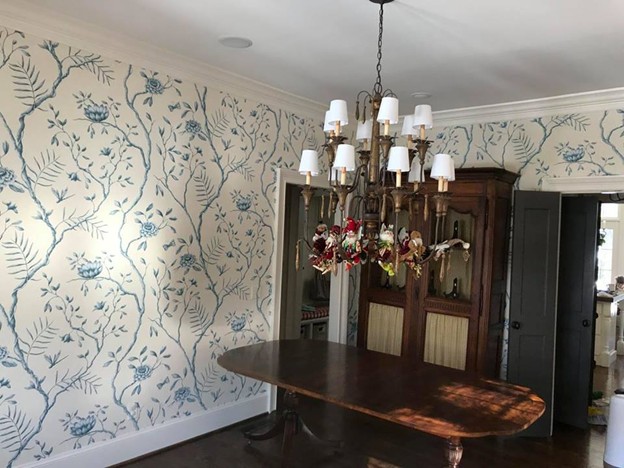
Wallpapers are an incredibly popular design choice nowadays. With the resurgence of this incredibly versatile, expressive wall covering option, comes many new developments in wallpaper material. Gone are the days of frustrating wallpaper that is difficult to install, and even harder to remove. Now you can enjoy a variety of materials that are all easy to install and remove. You can choose the best design and material for the room you’re outfitting, and the one that is most compatible with your own design tastes.
Vinyl Wallpaper
Vinyl based wallpaper is the most popular option in wall coverings due to its versatility. It’s easy to install, easy to remove, and easy to clean. There are a few different options of vinyl-based wallpaper depending on the needs of the room you’re looking to decorate.
Solid Sheet Vinyl
This type of pure vinyl wallpaper is the most durable option because of its thickness, easy cleaning, and easy removal. Solid sheet vinyl is often embossed which adds to the beauty of the print.
Vinyl Coated Fabric
Fabric wallpaper is a popular choice because of its natural feel and texture. The vinyl coating gives it a good degree of protection and durability. It’s a wonderful choice for a sitting room or dining room where texture is a key design element.
Vinyl Coated Paper
An upgrade from plain paper wallpaper, vinyl coated paper offers the durability and wash ability that paper alone simply does not. The vinyl coating allows this type of wallpaper to be a great option for a variety of rooms including high-humidity environments like bathrooms, laundry rooms, and kitchens.
Non-Woven Wallpaper
Non-woven wallpaper is a completely vinyl free option that’s a great choice if you’re sensitive to environmental considerations. It’s also washable and breathable. So, no need to worry about mold with this wallpaper. It also is very easy to install and remove. It does not tear easily, and it comes off the wall in one long strip. So, if you have some structural work to do with the wall, you can remove the wallpaper and put it back up again when you’re ready.
Easy-Walls Wallpaper
Similar to non-woven wallpaper, Easy-walls is a material that is completely PVC and VOC free, and the ink is water based. The wallpaper is easily cleaned, but breathable at the same time. So, you won’t need to worry about mold. This type of wallpaper usually comes with a pre-applied adhesive, so installation and removal are a piece of cake.
Pre pasted Wallpaper
Wallpaper can be one of the types listed above AND be pre pasted at the same time. The term “pre pasted” just means that you don’t need to purchase additional adhesive because it’s already on the wallpaper. The glue is dry and just needs to be activated by wetting the back of the paper.
Grass cloth Wallpaper
Grass cloth is a woven, highly textured wallpaper made from purely natural components. Cleaning is a little more difficult with this type of wallpaper. Stains should be spot treated and dirt should be vacuumed with a clean vacuum cleaner brush. If it’s a really specialty grass cloth then the overall cleaning may need to be handled by a professional cleaner.
How to Choose the Right Wallpaper for Your Interiors

Choosing the right wallpaper for your interiors can sometimes feel daunting. Colors, styles, patterns and textures are all factors to consider. Knowing what to look for will help you make the best choices for your rooms.
Tips for Choosing a Great Wallpaper
There’s no shortage of wallpaper styles, colors and textures. Decide if you want to cover all walls or if an accent wall would look better in your room design.
Wallpaper Styles
The wallpaper style should go with the rest of your décor style. It should flow naturally with the rest of your space. Some examples include:
Formal: A formal interior benefits from various elegant wallpaper designs, such as a hand-painted print or damask.
Glam: The choices for glam wallpaper include embossed, flocked, crystal or glitter embedded or dramatic reflective designs.
Casual: Your décor can be enhanced with different patterns, such as a plant, floral or textured print.
Country: A plaid, gingham or country motif pattern may be a good choice for your country décor.
Rustic: Select a textured wallpaper, such as a grass cloth for depth, plaid for warmth or a wildlife pattern to fit your theme.
Victorian: A baroque floral damask makes a good wallpaper for this period style.
Modern: Select a geometric or abstract pattern for a more modern décor.

Pattern or Plain Wallpapers
You aren’t limited to using a plain wallpaper even if you’ve used different patterns in your décor. The key is to select the right colors and pattern size.
If you have patterned draperies and upholstery, an easy choice is a tone-on-tone pattern or textured wallpaper.
If you opt for a patterned wallpaper, go with a smaller or larger pattern than the drapery fabric or upholstery pattern.
A plain wallpaper offers a nice visual break for a heavily patterned décor.
Large and Small Patterns
It’s a myth that you must select patterns that are the same scale as the room, such as small patterns for small rooms and large prints for large rooms. You can certainly do this, but your design may be rather mundane. A large wallpaper pattern in a small bathroom can be a dramatic design choice. You may decide to use a small pattern in a large den where the space is broken up by windows, doors and built-in furniture. In this scenario, a small pattern creates a great visual with teasing breaks and hints of colors and pattern.
Wallpaper Colors
The colors you select for an interior wallpaper should be a good match to your window treatments, flooring and furniture.
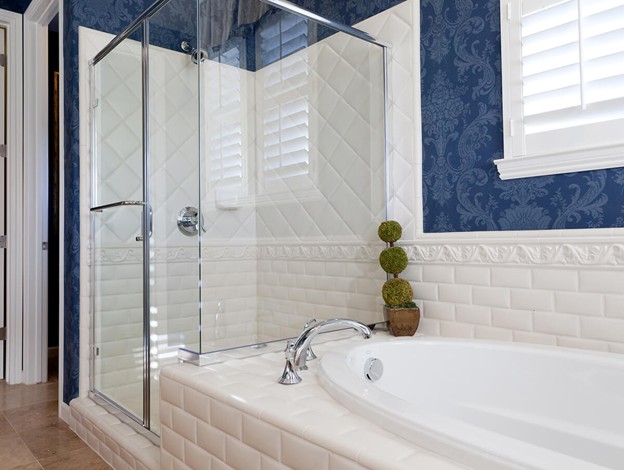
You can get the color saturation of a bold paint color by selecting a colored wallpaper with a pattern that’s a few values lighter. This approach gives an elegant touch to a bathroom.
Choose colors from the color palette of rest of your décor. Repeat one or more of the colors with your wallpaper choice.
Use the accent color as the main color in your wallpaper to create drama and contrast.
For a smooth easy transition, repeat the wall paint color as the main wallpaper color.
Textured Wallpaper for Design Depth
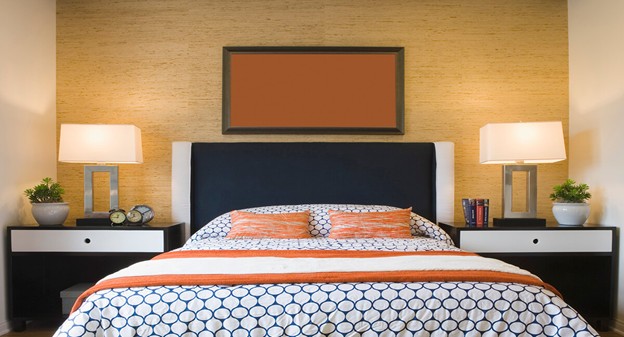
If you’re looking for something to add a layer of texture and greater design depth, opt for a textured wallpaper. Select a grass cloth for a home office, for instance. Choose an accent wall behind the desk or use above a wainscoting or chair rail. In a cozy living room or den design, you might opt for a textured wallpaper, such as grass cloth, embossed or flocked.
Metallic Wallpapers
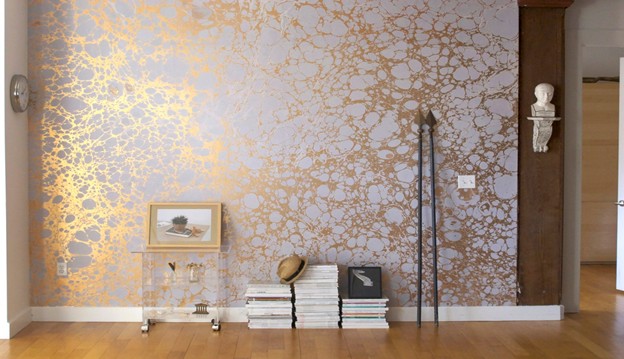
A room with poor natural light is an ideal candidate for a shiny metallic wallpaper to reflect light deeper into the room. A small windowless half bath benefits from a reflective wallpaper, and a vintage kitchen or dining room is an ideal candidate for faux tin ceiling wallpaper.
Make Rooms Appear Smaller or Larger
The pattern size can make a room appear larger or smaller. Visually decrease the size of a large room by using a large print with a darker background. The pattern and color contrast will give the optical illusion of drawing the walls in closer for a cozier feel to the room. Conversely, depending on the color and pattern, a small patterned wallpaper can make a small room appear larger or a large room appear even larger.
Make Walls Appear Taller and Longer
Horizontal stripes make a wall appear longer while vertical stripes give the illusion of height. You can use wide or narrow stripes, and stripes can be irregular, such as vine or paisley patterned stripes.

Where to Use Wallpaper
There are all kinds of ways you can use interior wallpaper in your home. You can apply it to every wall in every room or only on an accent wall. Wallpaper can be used to break up a wall space or highlight wall space broken up by built-ins.

Accent Walls
One of the greatest things about wallpaper is the ability to transform a room into a design with depth and style. The most economical and easiest way is to choose a solid wall for a wallpaper accent wall.
Choose the wall behind the bed for an elegant and warming design visual for the master bedroom.
Use two different wallpapers in the same room, such as a stripe for an accent wall in a bedroom and a jacquard print wallpaper for the other walls.
Go dramatic with your accent wallpaper, like with a Zebra print or lush tropical leaf pattern.
An Art Deco geometric wallpaper design might be the “wow” factor you’ve been seeking for the wall behind the dining room sideboard.

Chair Rails
Wallpaper above or below a chair rail brings warmth and depth to a dining room or breaks up a long hallway. You might mix and match wallpaper patterns for above and below the chair rail. Alternatively, you may prefer to paint the wall below the chair rail and use wallpaper above it or vice versa.
Wainscoting
Using wallpaper above a wainscoting is another decorative way to highlight a décor. You can choose a pattern that goes with the style and colors of your dining room, den, kitchen or even a bedroom.
Transform Interiors with the Right Wallpaper
It’s easy to choose a great interior wallpaper for your rooms when you Choose Eye Precise Interiors. Transform a plain room into a dramatic or lush tropical retreat with the right wallpaper.
How to Use Mosaic Tiles in Your House?
Mosaic tiles are a beautiful material for creative and unusual designs. Mosaic tiles can beautifully update the floors and walls in a house, decorate room furniture and accessories. Eye Precise Interiors collection of creative ways to use mosaic tiles demonstrates how to create a modern interior design with unique, stylish and versatile, suitable for any room, original details.
Mosaic tiles are durable, beautiful and trendy. Mosaic tile designs are perfect for areas that have high traffic, like hallways, family rooms, and kitchens. Mosaic tile designs look amazing in bathrooms and add spectacular accent walls to modern living room designs.
Mosaic tiles come in a wide choice of sizes, materials, textures, and colors. Mosaic tile designs are spectacular and captivating. Creative layouts and various shapes of mosaic tile designs allow to select the best solutions for any interior design and decorating.
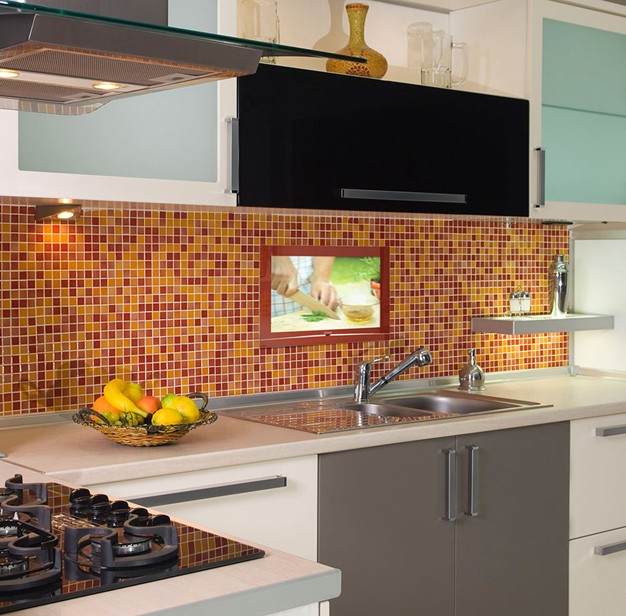
Modern mosaic tile designs are colorful, original, and beautiful. They look like pieces of modern art and add fabulous accents for walls, floors, lighting fixtures, room furniture, and accessories. Mosaic tiles are often used in showers and for kitchen backsplash designs to add vibrant color and style to modern interior design and decorating.
Creative ways to use mosaic tiles in modern interior design
Mosaic tile designs for wall and floor decoration.

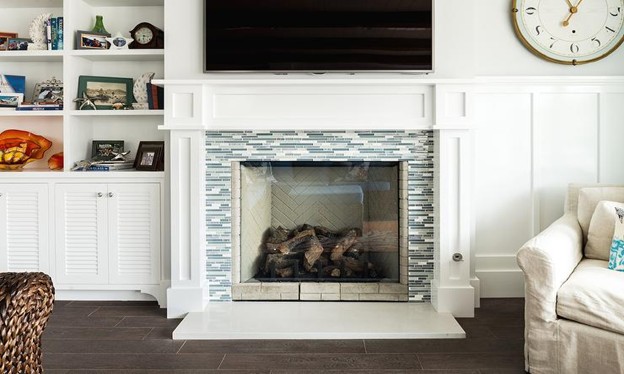
Mosaic tile designs for fireplace decoration and accent wall design.
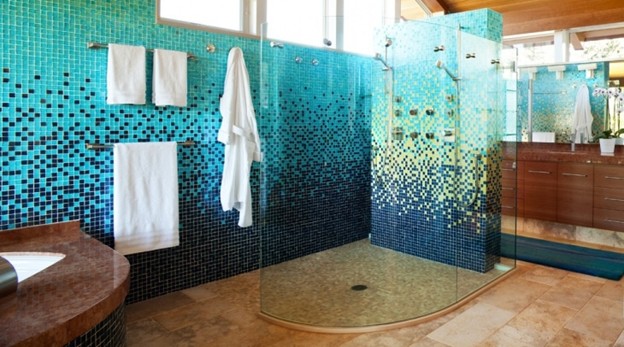
Mosaic Solutions for your bathroom’s wall
Ready for an interesting kitchen backsplash?
Painting and Special Paint Effects in Nairobi Kenya
What is paint in interior design?
Paints are thin coatings applied to surfaces in a liquid form. Paint dries and becomes flexible solids. They have many uses, the protection of the surface from sunlight, dampness, dust, abrasion, and weathering. They provide easily cleanable surfaces that help keep the substrates clean and tidy.
What Is the Importance of Color in Interior Design?
We often oversee colors at the time of interior design. Color plays an essential role in our lives. It is a visual language understood throughout the world. When you try to communicate something through interior design, the best way to do it is through color. The interior design is highly dependent on the color scheme as it is the most important factor of interior design. Colors, lights, and shades always surround us.
Different colors are the quickest, easiest, and most realistic way to develop immediate modification in the room. A newly painted room will refresh the interior while eliminating the structural imperfections. Paint can entirely change the atmosphere of the interior and create harmony with the décor by your style.
Each tone of color has a significant effect on our mood, has a specific meaning, and interlinks with our mind frame. Colors have the power to change your mood and mind. You choose the best combination of colors in your house that can bring together various emotions at your home like pleasant, calming, intimate, comfortable, dramatic and aggressive, etc.
It depends on our inbuilt characters and genetics on how we react to each color. Genetic programming lets us respond to various colors and appreciate them in the environment.
When you choose a color for your home, you think and ask yourself what you want to feel when entering the room? Innovating our homes is not easy but when you choose Eye Precise Interiors, we can show you how to spruce up your space by using different color schemes.
The color has a substantial impact on the room atmosphere, and you should correctly choose the color before you start interior design. For instance, the bedroom requires peace, relaxation, and calm, so the color scheme should be accordingly. A living room needs to be energizing and exciting, and so on.
By tones, generally, there are two types of colors, namely warm and cold. Cool colors are those that bring the feel of calmness, quietness, relaxation, and peace within the atmosphere. The colors like blue, purple, and green are considered cool-toned colors. Warm colors carry feelings of instant energy and give a boost to adrenaline. Red and orange are warm colors.
In addition to tone, all colors can change their character with the change in light and saturation. Thus, for interior design, you should have to pick a shade, not just a color. In general, the light colors feel airy, and they can make the room look bright and large. In contrast, the dark colors stylish, refined, and warm, and they create a feeling of intimacy in the room. The colors of your rooms in your house can be a direct expression of one’s character. Although many people may well not devote a considerable time pondering their bedroom color, it can affect us every day. The room in our home color is going to influence our emotional behavior and our thought processes.
Depending on the color, the room can look overstimulated or under-stimulated if not schemed well. The overstimulated room will have extremely high color contrasts and too much-saturated colors with many complicated visual patterns that discomfort the eyes. An under stimulated room setting will have a too weak intensity of colors, and monotonous tone contrasts with too light saturation.
The color has some effects on our lives. Some are outlined here:
Colors for Relaxing
There is also the role of pigments in relaxing. The light shades of cooler colors such as green and blue can make the room look more refreshing. It is the best option for your room, especially the bedroom, to bring the feel of calm and relaxation. You can choose more vibrant colors for your living room to have a lively and energetic feel.
Affects Your Mood
One of the pronounced mood influencer and mood creators is color. The walls painted in red color bring you hot and lively feelings. The buttercream will take saturated sunny hues that bring the feel of warmth even on the coldest days. Greens and blues will relax and calm your mood. The earth tones will ground the space.
Colors Effect Psychology
Colors also affect our psychological behavior. Have you ever noticed why fast food restaurants use brilliant and bright colors like orange and red on the walls? It is proved that the red color can increase our pulse and hence promote appetite. People’s desire to eat will increase when they see the orange or red color in the restaurant. This is the reason why restaurants use such bright and warm colors. Now you know the importance of color scheme in interior design. The color should be chosen by the mood, atmosphere, and emotion you want for that particular area.
Joyful Colors
When you think of joy, the yellow color may come into your mind. The yellow color is associated with warmth, optimism, and happiness. The yellow color is best for the living room where we spent a lot of time with family. The yellow must be soft, not too much saturated, and bright yellow. Yellow has the power to make people compelling, energetic, and cheerful. It also boosts the mood of people and let them forget their problems, and encourage conversation. It is also suitable for gyms and exercise rooms. Colors are surroundings; you are the accurate reflection of your real personality, and they must make you feel comfortable. So, use the colors to your advantage. You don’t need to bother about general trends to have a perfect and stunning home. Color fads may come and go. The secret is to blend the colors or shades you prefer correctly into a pleasing blend.
Top 5 Benefits of Interior Painting
1. Increase the Value of Your Home
Painting your home is one of the simplest and least expensive ways to increase the overall value of your home. This is true for both your interior and exterior surfaces. A good paint job can communicate to potential buyers that you have taken good care of your home. It can also help sell a home that’s on the market faster, even over asking price. Even if you are not planning on selling your home in the foreseeable future, a good interior paint job by a professional painting contractor can last up to 7 years. It is an investment in your home that truly pays off.
2. Boost Your Mood at Home
Since interior painting is a relatively inexpensive way to update your home, it can be one of the best tools to make your home a more comfortable and happier place. If you haven’t painted your home recently and have older colors that you either don’t like anymore or didn’t choose, your home may not feel like a space where you truly feel comfortable. Additionally, many people are working from home and/or staying home a lot more so making the colors in your home appealing is a higher priority. Depending on what color scheme you go with, a new paint color can help you feel differently — calm and relaxed (blues and greens), energetic and productive (yellows and oranges), or even feel comfortable and content (neutral colors). If you are having trouble choosing the best color(s) for your home, talk with our color consultant.
3. Protect and Prevent Damage to Your Home
Having your interior painted protects your home now and prevents future damage from occurring inside and outside of your walls. Most interior walls are made of materials that naturally absorb moisture. Over time, too much absorption can lead to compromised walls which can be dangerous to your home’s structural integrity. Moisture inside walls is a catalyst for mold growth which can lead to health concerns. Paint is designed to seal out moisture from getting into the porous walls of your home. Additionally, high-quality paint From Crown Paints will protect your walls from everyday wear and tear. From your dining room chair rubbing against a wall to the damage done from children or pets, paint acts as a barrier between you and your home.
4. Improve Air Quality in and Around Your Home
Paint quality has improved greatly over the last few decades. Thanks to technology and a growing interest in our health, many interior paints now are made with low or zero VOCs (Volatile Organic Compounds). Volatile Organic Compounds are “Carbon-containing substances that easily become vapors or gasses.” (Green Home Guide.) Over time, not just during the paint drying, these substances release into the atmosphere and can cause respiratory and health problems. Low- and no-VOC paints release less or no gasses into your home. If you or your loved ones have allergies, asthma, or are sensitive to chemicals, this is a huge benefit and a great option for your home. A fresh coat of paint also keeps dust and other allergens to a minimum which will improve your home’s air quality even more.
5. Beautify Your Interior
All homes have flaws and imperfections. Walls often have dents, dings, and marks from the use of your home over time. Having your home’s interior painted removes those imperfections and can make your home look refreshed and clean. A new paint color for your interior can also modernize your home. At Eye Precise Interiors, we want to help make your home or building look and function exactly the way you want it. That way, you can enjoy all the benefits – protected walls, healthier breathing, increased home or building value, and more.
Office Partitioning Services in Nairobi Kenya
Why office Partitions are an Important Part of Interior Design?
Different offices are used for different purposes. Thus, the design used in any office should accommodate its particular specifications.
An office space has to be designed strategically to maximize on the available space in an effective manner. Partitioning an office space is a great solution for maximizing on the available space.
Cost Effective:
Office partitions are easy to set up. They’re hassle-free to install and relocate. They’re more affordable than using permanent walls, yet they offer employees with a private working space as needed.
Partitions come in different types and sizes. They’re available for all kinds of office requirements and budget.
One of the most common partitions is the type that extends from the floor up to the ceiling. These partitions create a real room. Their height allows for maximum privacy.
They prevent disturbance from co-workers, making them ideal for creating private spaces for meeting halls and conference rooms.
These partitions are typically made of materials such as glass panels with aluminum and metal frames, glass, wooden laminate, and gypsum drywalls among others. It’s also possible to re-arrange them as needed.
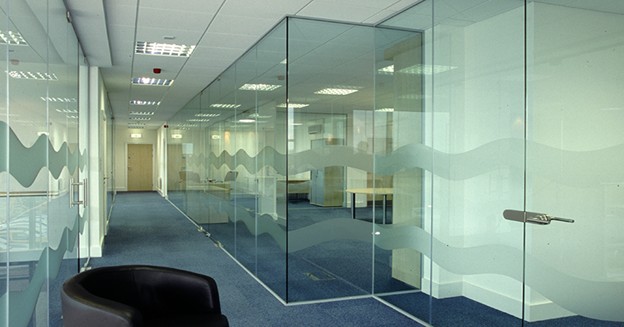
Another great option is using glass partitions. They’re preferred by many office owners for they allow light into a room. If you’re concerned about privacy, you can cover the glass with screens.
For instance, using Venetian blinds is a great option for adding privacy when using glass partitions. The glass panes vary in height depending on your needs. They can be half-height or full height.
The interior space can be made more attractive by using frosted or transparent glass partitions.
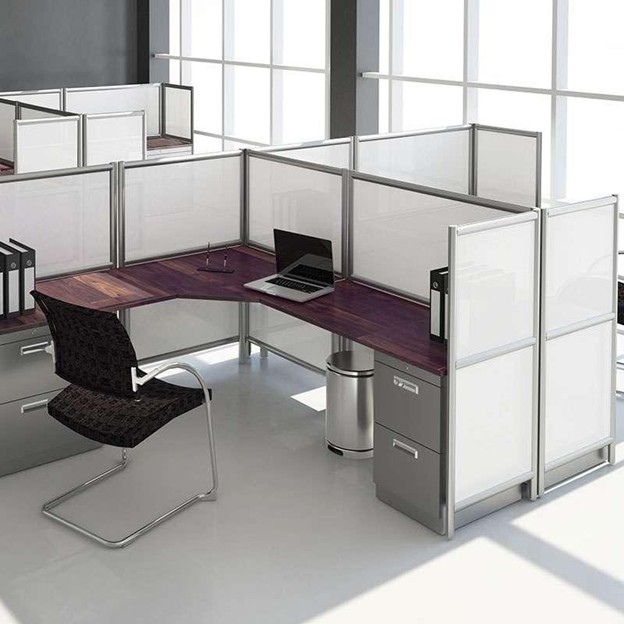
Office partitions make it easier to create cubicle spaces or to divide a larger space into smaller spaces. The smaller spaces can be used as private workspaces.
The partitions can be made of lighter materials for enhanced flexibility in the space. In most partitions, the cubicles are typically enclosed fully on three sides. The fourth side is usually left for the entrance.
It’s possible to relocate partitions, portability, especially those that have wheels. The wheels make it easier when making changes in the arrangement of the existing office space.
You can easily rearrange the space as needed. Their flexibility also makes it easy to break the monotony that comes with fixed office designs for they allow for variety in the interior design.
A great option for flexibility is the accordion wall partitions. These partitions can be folded inwards or outwards depending on the alignment you want.
There’re certain things you can do to add style to your interior office space while partitioning. For instance, you can give the partitions a richer look by finishing them with glass or plasterboards.
Another great option for adding style is using silicon glazing. Also, the doors on the partitions can be made of glass, timber, or aluminum framed glass. The partitions can also be decorated by carefully painting them with a color that matches the office interior. Wallpapers can also be added for decoration.
Non-flammable partition materials are more ideal for use nowadays. Offices constructed within factory premises require partitioning with tough materials. Soundproof walls would be great to partition such offices to reduce noise.
Some partitions are more demanding to install while others are costlier than others. Thus, the partition you choose should depend on the time you can spare and your budget. Moreover, the partitions you choose for your office should enhance the overall visual appeal in the space.
GLASS PARTITIONS
A CLEAR STATEMENT
Glass partitions look great and provide the open plan look and feel without the drawbacks. However, they can be expensive which is why we over many years we have worked with our manufacturers to perfect a beautiful, cost-effective product range that is also easy to install and adapt to different environments. But this does not have an off-the-shelf look and feel with configurable options including:
Door furniture
A variety of standard and non-standard finishes
Door styles and options
OFFICE PARTITIONS
PERFECT LOW COST, HIGH QUALITY OPTION
There are many variations that can be configured for our tried and trusted basic partitioning products. Solid, glazed or part glazed you make your choice and this accessible range will always deliver. Quick and easy to install, the ranges have been developed and improved over time and now provide a great entry level option that looks great and will stand the test of time. Accessories available include:
Doors
Door furniture
Various standard finishes and effects

CRITTALL & FRAMELESS GLASS PARTITIONS
A BEAUTIFUL STATEMENT
If you are looking for super premium quality and making a great impression look no further than our premium frameless glass partition ranges including the stunning new Crittall option. Easily installed and with endless configuration options, these flexible systems represent great value as well as making impact. Options include:
A variety of door options
Lots of standard and bespoke finishes
A wide range of door furniture

PROTECTION & SEPARATION SCREENS
PROTECT YOUR WORKFORCE
Post CV-19 the working environment will be changing, although many will work from home there will still be a requirement to safely accommodate all staff and guests on the premises and in many ways, this heralds the end of the open plan space. The future is easily accessible working compartments where it will be easier to manage social distancing and basic precautions. This is where our extensive ranges of protection and separation partitioning come into their own.:
A wide variety of options
Lots of standard and bespoke finishes
A wide range of door furniture

PORTABLE CUBICLE PARTITIONS / DESK DIVIDERS
To temporarily convert a large area into smaller spaces for group huddles, Eye Precise Interiors offers portable partitions. Available in a range of sizes, these panels are durable but lightweight for easy carrying and setup. Built to absorb sound, these units are suitable for usage in large spaces such as conference rooms or training rooms or as a portable privacy partition at workstations. Available in a range of colors; additional features such as casters or feet are available.
3D Design in Nairobi Kenya
3D models are a potent tool for interior designers to effectively communicate designs to their clients via three-dimensional visualization, increasing project approval rates. 3D interior design shifts the control to the hands of clients by enabling them to alter or transform designs.
5 Things Interior Designers Must Know About 3D Visualization
3D Visualization is Essential to Help the Clients Envision Their Future Interior Spaces
Clients of interior designers are not architects or civil engineers; they can’t look at a 2D floor plan and visualize in their head how the space will look like. It is up to us to make sure that the client understands the project before work has begun, leaving no doubt in their mind. When the client comes with a rough idea of what they want, with some images of the style they would like, our role is to summarize all of this and turn it into a stunning 3D visualization. The client can visualize how the interior will look like when finished and see it in a realistic way. Whether this is a kitchen, bathroom, bedroom or living room project, 3D renderings are the best way to help them picture the space.
3D Visualization Gives You the Best Way to Communicate Your Ideas to the Client
Communicating with client easily and reaching agreement on the project before it actually starts is the key to having a healthy interior design business. You need to relay all necessary information to the client because they may receive proposals from multiple interior designers. The 3D renderings allow you to match your proposal with what the clients want and avoid misunderstanding. This prevents disappointment, extra cost or extra time to deliver the project. As our objective is to satisfy – and exceed – your expectations, we do select the best 3D interior design software that will bring your ideas to life as fast as possible.
Impress Your Clients to Sell Your Work With 3D Visualization
3D renderings are here to create the Wow effect that you are searching for. This will work perfectly as long as the 3D renderings are photorealistic. We Provide professional quality 2D and 3D floor plans and 3D perspectives of the rooms to present our work. Of course, cost is a key factor in the decision-making process, however, gaining your trust also plays a big part. It is important that you have confidence in us and with 3D visualizations it’s an assurance we deliver quality work.
Use 3D Visualization to Attract New Clients
3D renderings are the best evidence of our work and thus helping us see a lot of traffic growth (new clients). We use our excellent work for marketing purposes, on our website, social media and to display past projects and also show the diversity of designs that Eye Precise Interiors can produce. Prospects do come to us because clients see the level of experience and quality we can bring to their project. These additional projects coming from recommendations or advertising allows us to display an even wider portfolio to potential new clients.
3D Visualization is Very Simple to Create as Soon as You Select the Right Tool
Good news, 3D renderings are accessible!
These days, 3D visualization is easy, fast and affordable, which is a good thing as it has developed massively over the last last 10 years. We use 3D interior design software to create your interior 3D renderings twice as fast and more efficiently. Our objective is to help you visualize your new space, communicate your vision faster and more efficiently, and present photorealistic interior designs.